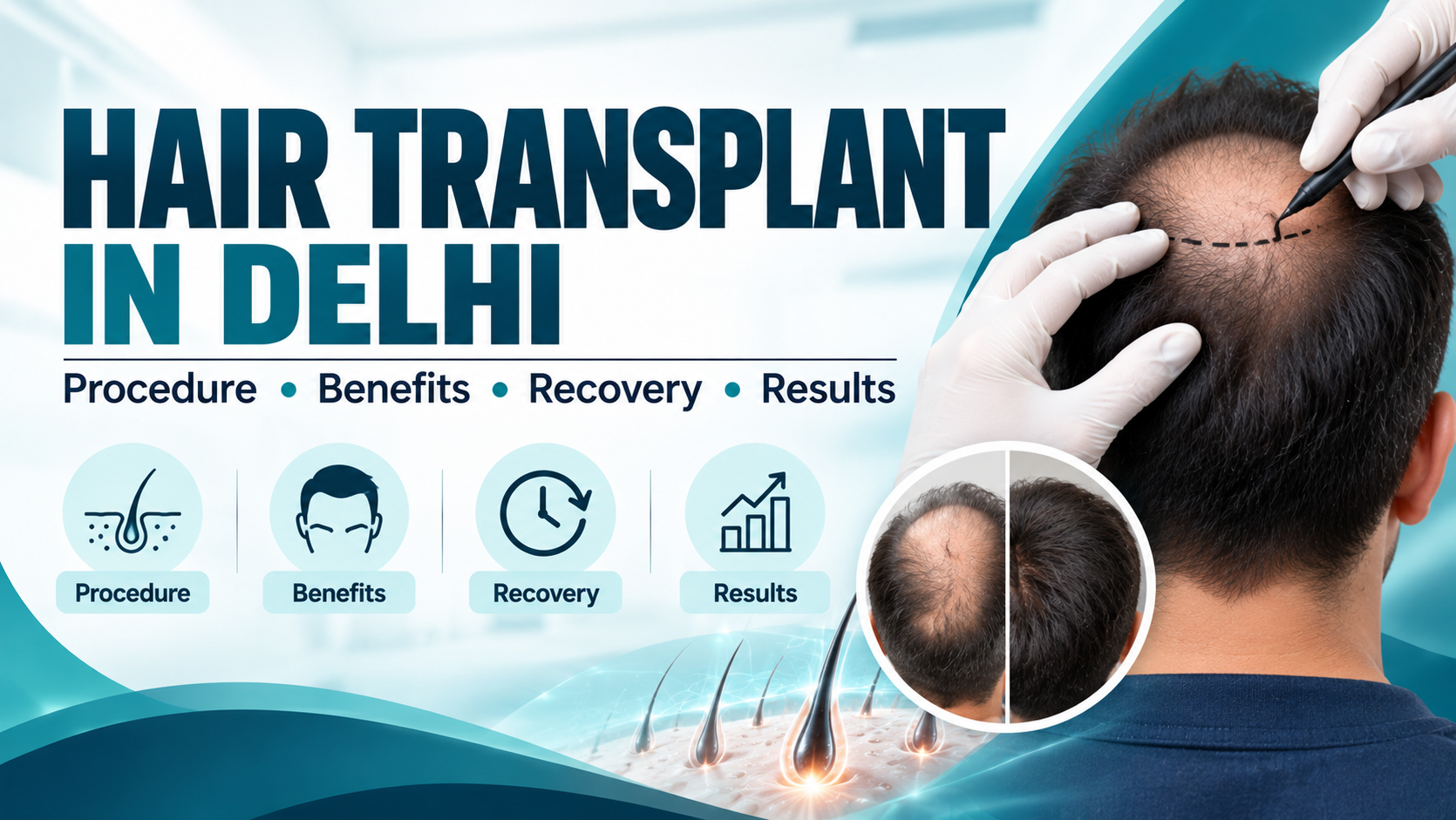
Hair loss and thinning hair can affect a person’s appearance, confidence and overall well-being. Factors such as genetics, hormonal changes, ageing, certain medical conditions and nutritional deficiencies can contribute to hair loss in both men and women. While medications and non-surgical treatments may help some individuals, a hair transplant can be an option for people with suitable hair loss patterns and adequate donor hair.
Hair transplant surgery is a procedure in which healthy hair follicles are moved from a donor area, usually the back or sides of the scalp, to areas affected by thinning or baldness. With appropriate patient selection and careful surgical planning, the procedure can help restore hair coverage and create a natural-looking hairline.
If you are considering a hair transplant in Delhi, understanding the procedure, available techniques, recovery timeline and potential risks can help you make an informed decision. Dr. Shobha Jindal’s website provides a starting point for exploring cosmetic surgery services and consultation options.
What Is a Hair Transplant?
A hair transplant is a surgical hair restoration procedure that redistributes existing hair follicles from one part of the body, usually the scalp, to areas where hair is thinning or absent.
Unlike treatments that aim to stimulate existing follicles, a transplant moves hair follicles that are suitable for transplantation. It does not create new hair follicles, and the available donor hair is limited.
Hair transplantation is commonly considered for:
- Male pattern baldness
- Female pattern hair loss in appropriately selected patients
- Receding hairlines
- Thinning at the crown
- Certain cases of hair loss caused by injuries or scarring
- Selected cases of eyebrow or facial hair restoration
Not every type of hair loss is suitable for surgery. A medical evaluation is important to identify the cause of hair loss and determine whether a transplant is likely to provide satisfactory results.
What Causes Hair Loss?
Understanding the cause of hair loss is an important first step before considering a hair transplant.
1. Genetic Hair Loss
Androgenetic alopecia, commonly known as male or female pattern hair loss, is one of the most frequent causes of progressive hair thinning. It can affect the hairline, crown or other areas of the scalp.
2. Hormonal Changes
Hormonal changes and certain endocrine conditions can contribute to hair thinning. Identifying and treating the underlying cause may help manage the condition.
3. Nutritional Deficiencies
Insufficient iron, protein or other essential nutrients can contribute to hair shedding in some individuals. Appropriate blood tests may be recommended when a deficiency is suspected.
4. Stress and Illness
Physical stress, severe illness, surgery or other significant events may trigger temporary hair shedding, a condition known as telogen effluvium.
5. Medical Conditions and Scalp Disorders
Inflammatory scalp diseases, certain autoimmune conditions and some forms of scarring alopecia can cause hair loss. These conditions may require medical treatment before any surgical procedure is considered.
A dermatologist or appropriately qualified hair restoration specialist can help establish the diagnosis and discuss suitable treatment options.
Types of Hair Transplant Techniques
Two established methods of harvesting donor hair are Follicular Unit Extraction (FUE) and Follicular Unit Transplantation (FUT). The most appropriate method depends on the patient’s donor hair, scalp characteristics, hair loss pattern and goals.
1. Follicular Unit Extraction (FUE)
FUE involves extracting individual follicular units from the donor area using small specialised instruments. These grafts are then prepared and placed into the recipient area.
Potential advantages include:
- No long, continuous donor-area scar
- Small extraction scars distributed across the donor area
- Flexibility for selected patients who prefer shorter hairstyles
- Use in different patterns of hair loss when donor hair is adequate
However, FUE still involves surgery and leaves small scars. Excessive extraction can cause visible thinning in the donor area. The procedure requires careful planning and precise technique.
2. Follicular Unit Transplantation (FUT)
FUT, also called the strip method, involves removing a narrow strip of hair-bearing scalp from the donor area. The strip is then divided into individual follicular unit grafts for transplantation.
Potential advantages include:
- Efficient harvesting of follicular units in suitable patients
- A useful option for some patients who need substantial graft numbers
- Preservation of some unharvested donor areas for potential future treatment
FUT leaves a linear scar at the donor site and requires careful wound closure. Whether this method is suitable depends on scalp flexibility, hairstyle preferences, previous surgery and other clinical factors.
FUE vs FUT: Which Is Better?
Neither technique is universally better for every patient. Both can produce natural-looking results when performed appropriately, and both have limitations.
The surgeon should explain the expected donor scarring, graft availability, recovery requirements and long-term hair loss management before recommending a technique.
Who Is a Suitable Candidate for Hair Transplant Surgery?
Hair transplant surgery may be suitable for people with stable or appropriately assessed hair loss who have sufficient healthy donor hair.
You may be considered for a transplant if you:
- Have pattern hair loss with a suitable donor area.
- Have realistic expectations about hair density and coverage.
- Are in good general health for the procedure.
- Understand the limitations of available donor follicles.
- Are willing to follow postoperative instructions.
- Have undergone appropriate assessment of the cause and progression of hair loss.
When Might a Hair Transplant Not Be Suitable?
A transplant may not be recommended immediately if you have:
- Sudden or unexplained hair shedding
- Active scalp infection or inflammation
- Certain forms of active scarring alopecia
- Insufficient donor hair
- Unstable or rapidly progressing hair loss requiring further assessment
- Medical conditions that significantly increase surgical risk
Younger patients may need careful planning because hair loss can progress over time. Treating existing hair loss medically, where appropriate, may be recommended before surgery.
How Is Hair Transplant Surgery Performed?
The procedure generally involves several stages.
Step 1: Consultation and Hair Assessment
The specialist evaluates your hair loss pattern, scalp condition, donor density, medical history and expectations. Blood tests or other investigations may be recommended when clinically indicated.
Step 2: Hairline Design
The proposed hairline and recipient areas are planned according to facial proportions, age, existing hair and the possibility of future hair loss.
A conservative, age-appropriate design can help preserve a natural appearance over the long term.
Step 3: Local Anaesthesia
Hair transplant surgery is usually performed under local anaesthesia, sometimes with sedation when appropriate. The scalp is numbed before graft harvesting and placement.
Step 4: Donor Hair Extraction
Depending on the chosen technique, individual follicular units are extracted or a strip of hair-bearing scalp is removed and dissected into grafts.
Step 5: Graft Preparation and Placement
The grafts are carefully prepared and inserted into small recipient sites. The placement angle, direction and distribution of the follicles are important factors in achieving a natural-looking result.
Step 6: Postoperative Instructions
After the procedure, the surgical team provides instructions for scalp cleaning, sleeping position, medications, activity restrictions and follow-up appointments.
The duration of surgery depends on the number of grafts, the technique used and the complexity of the procedure. Some patients may require more than one session.
Benefits of Hair Transplant Surgery
For appropriately selected patients, hair transplantation may offer several benefits.
1. Improved hair coverage
Transplanted follicles can improve coverage in areas affected by pattern hair loss or selected types of permanent hair loss.
2. Natural-looking hair restoration
Careful hairline design and appropriate placement of individual follicular units can create a natural-looking appearance.
3. Long-lasting results
Transplanted follicles taken from suitable donor areas often retain many of their original characteristics. However, individual outcomes vary, and surrounding non-transplanted hair may continue to thin.
4. Personalised treatment planning
The hairline, graft distribution and treatment area can be planned according to the patient’s anatomy and goals.
5. Potential improvement in confidence
Some patients feel more comfortable with their appearance after successful hair restoration, although individual experiences and expectations differ.
A hair transplant cannot guarantee a full head of hair or a particular level of density. The expected result should be discussed before surgery.
Hair Transplant Recovery: What to Expect
Recovery varies depending on the technique used, the number of grafts transplanted and individual healing.
First Few Days
Mild swelling, tenderness, redness and small scabs may develop in the donor and recipient areas. Follow the clinic’s instructions for medication, sleeping position and scalp care.
First Two Weeks
The transplanted grafts need careful protection while the scalp heals. Avoid rubbing, scratching or applying pressure to the treated area. Follow the surgeon’s guidance on washing your hair and resuming normal activities.
Two to Eight Weeks
Many transplanted hairs shed during the first few weeks after surgery. This is commonly called shock loss of the transplanted hair and is generally an expected stage of the hair growth cycle.
Temporary shedding of some existing hair can also occur. Contact your treating clinician if the symptoms seem unusual or you have concerns about healing.
Three to Six Months
New hair growth may begin to become noticeable, although the timing and amount of growth differ between individuals.
Six to Twelve Months and Beyond
Hair coverage generally improves over time. Some patients require 12 to 18 months to appreciate the fuller result, depending on the area treated and individual growth patterns.
Patience and follow-up are important because hair transplantation does not produce immediate visible density.
Risks and Possible Complications of Hair Transplant Surgery
Hair transplantation is a surgical procedure and carries potential risks. These may include:
- Bleeding or infection
- Swelling and temporary discomfort
- Scarring in the donor area
- Temporary numbness or altered scalp sensation
- Folliculitis or inflammation around hair follicles
- Poor graft survival or limited hair growth
- Unnatural hairline design or uneven density
- Continued thinning of non-transplanted hair
- Need for additional treatment or corrective surgery
The likelihood of complications varies with the patient’s health, the procedure, surgical technique and postoperative care.
Choose a suitably qualified medical professional with relevant hair restoration experience. Confirm who will perform the surgical steps and who will be responsible for your care before making a decision.
How to Maintain Hair Transplant Results
A transplant can restore hair in selected areas, but it does not stop the underlying process of genetic hair loss.
To help maintain your results:
- Follow all postoperative instructions.
- Attend scheduled follow-up appointments.
- Discuss medical treatment for ongoing hair loss with your doctor.
- Maintain a balanced diet and address diagnosed nutritional deficiencies.
- Avoid smoking or nicotine as advised by your surgical team.
- Protect your scalp from excessive sun exposure during the healing period.
- Seek medical advice if you experience unexpected symptoms or ongoing hair loss.
Medicines such as minoxidil or finasteride may be appropriate for some patients, depending on the diagnosis, sex, medical history and potential side effects. These treatments should be discussed with a qualified clinician rather than started independently.
How to Choose a Hair Transplant Specialist in Delhi
Choosing the right medical professional is an important part of hair restoration planning.
Before proceeding, consider the following:
- Relevant qualifications: Verify the surgeon’s recognised medical and surgical qualifications.
- Hair restoration experience: Ask about experience with your particular pattern and cause of hair loss.
- Individualised planning: The recommended hairline and graft number should suit your donor supply and long-term needs.
- Transparent risk discussion: The surgeon should explain limitations, scarring, complications and possible future treatments.
- Appropriate surgical setting: Confirm the facility, anaesthesia arrangements and postoperative support.
- Long-term follow-up: Ongoing care is important because hair loss can progress after transplantation.
Do not choose a procedure solely on the basis of price, advertised graft numbers or claims of guaranteed results.
Consultation with Dr. Shobha Jindal
If you are exploring cosmetic surgery and hair restoration options in Delhi, a professional consultation can help you understand which treatments may be suitable for your concerns.
Dr. Shobha Jindal’s official website provides information about her practice and services. Before booking a hair transplant, confirm whether this specific procedure is offered and who will perform it, along with the practitioner’s qualifications and experience in hair restoration.
The right treatment plan should be based on an assessment of your scalp, the cause of hair loss, available donor hair and realistic expectations.
Visit the official website: https://cosmeticsurgeondelhi.co.in/
Frequently Asked Questions (FAQs)
1. What is a hair transplant?
A hair transplant is a surgical procedure that moves healthy hair follicles from a donor area to areas affected by thinning or baldness. It is commonly used for suitable cases of pattern hair loss.
2. Is hair transplant surgery permanent?
Transplanted hair is generally long-lasting when suitable follicles are used. However, results vary, and non-transplanted hair can continue to thin over time. Some patients may need ongoing medical treatment or additional procedures.
3. Is FUE better than FUT?
Neither method is best for everyone. FUE involves individual follicular extraction and leaves small distributed scars, while FUT removes a strip of scalp and leaves a linear scar. The choice depends on donor characteristics, goals and clinical assessment.
4. How long does it take to see hair transplant results?
New growth may start to become noticeable after approximately three to four months. More visible improvement often develops over six to twelve months, and some patients need 12 to 18 months for fuller results.
5. Does transplanted hair fall out after surgery?
The transplanted hair shafts commonly shed during the first few weeks. This is usually a normal part of the process, after which new growth can develop over the following months.
6. Is hair transplant surgery painful?
Local anaesthesia is used to numb the scalp during the procedure. Some discomfort, tenderness or tightness may occur afterwards and can usually be managed according to the treating clinician’s instructions.
7. Can women undergo hair transplant surgery?
Yes. Some women may be suitable candidates, but the cause and pattern of hair loss need careful assessment. Diffuse thinning or certain medical conditions may make transplantation less appropriate.
8. Can a hair transplant treat a receding hairline?
A hair transplant may help restore a receding hairline in suitable patients. Planning should account for facial proportions, donor hair availability and the possibility of future hair loss.
9. Will I need medicines after a hair transplant?
Some patients may benefit from medication to manage ongoing hair loss and preserve existing hair. The need for treatment depends on the underlying diagnosis and should be discussed with a qualified clinician.
10. How many grafts are needed for a hair transplant?
The number of grafts depends on the size of the thinning area, desired coverage, donor hair density, hair characteristics and the amount of donor hair that can be safely used. A scalp assessment is necessary to estimate the requirement.
Conclusion
Hair transplant surgery can be an effective option for selected individuals who want to improve hair coverage and address pattern baldness or certain types of permanent hair loss. Understanding the available techniques, expected recovery, potential complications and long-term maintenance is essential before proceeding.
If you are considering a hair transplant in Delhi, seek a consultation with a suitably qualified hair restoration surgeon to assess your hair loss and discuss realistic treatment options.