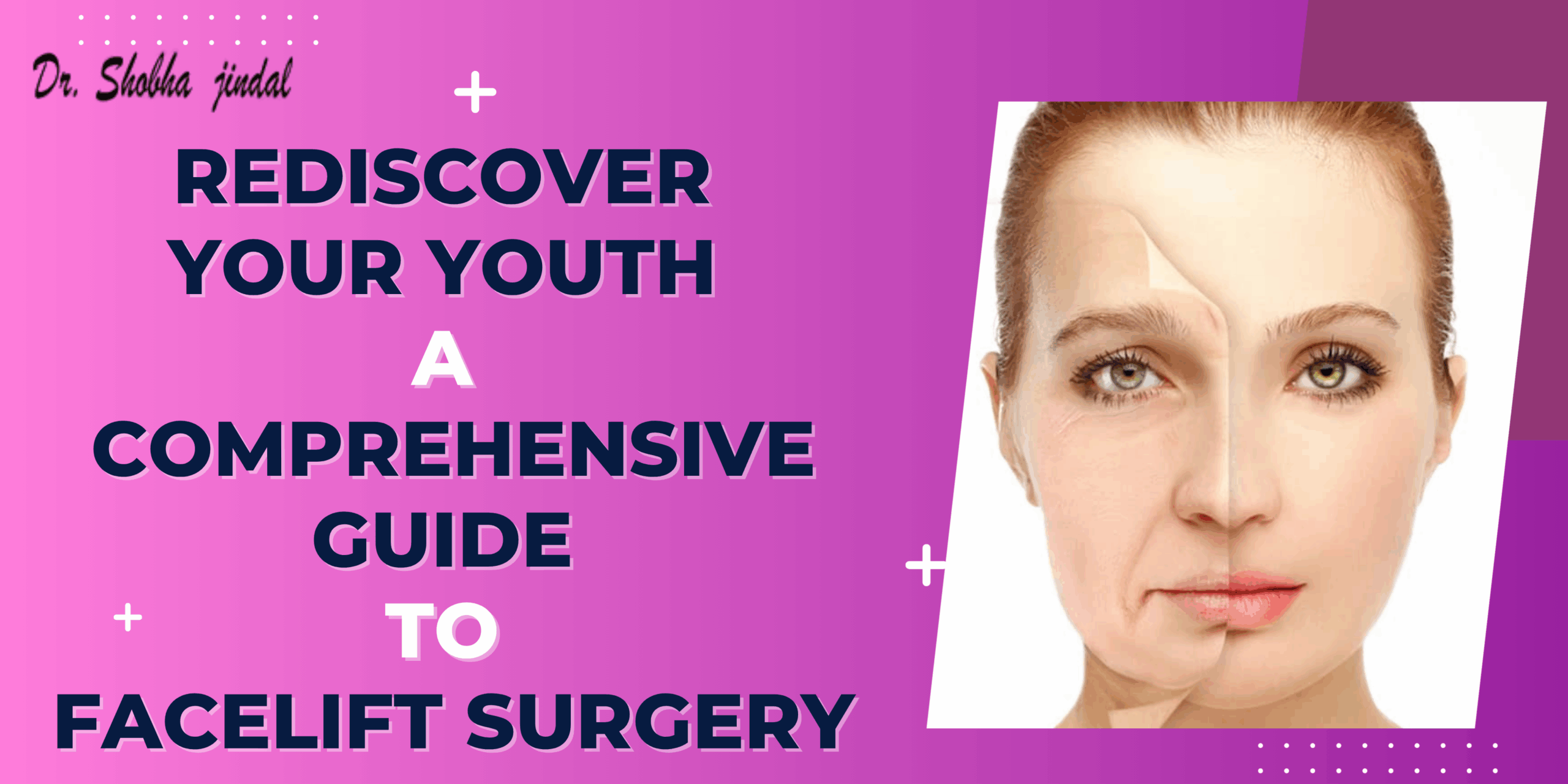
While aging is a natural process, for many people the way it changes our face – sagging skin, deep wrinkles, jowls – can lead people to rooms in search of a refreshed and rejuvenated look. Facelift surgery (or rhytidectomy) is one of the most powerful options in the arsenal of aesthetic medicine to restore youthful contours, offering long-lasting, naturally looking results when performed with meticulous care and skill. What Is a Facelift—and Who Is a Good Candidate?
Facelift surgery is performed to reposition deeper tissues, remove excess skin, and tighten muscles in the mid and lower face (and frequently the neck) to improve sagging and deeper wrinkles. It is not a replacement for skin care or non-surgical methods, but it is a more definitive option for someone who is experiencing moderate to advanced signs of aging.
Good candidates for facelift surgery in Delhi are typically healthy adults who:
Well qualified candidates for facelift surgery are normally healthy adults who:
- Notice sagging along the jawline or lower face
- Have skin that has lost its elasticity
- Desire a more permanent solution compared to multiple non-invasive procedures
- Have reasonable expectations of the outcome and are willing to comply with the post-operative care
During your consultation, I evaluate the quality of your skin, your bone structure, the distribution of facial fat, and your objectives. A unique, customized plan is important – there are no purely generic facelifts.
Types & Techniques of Facelift Surgery
Over the years, facelift techniques have changed significantly. Some of the most common types of facelifts are:
- Traditional/full facelift — Targets the jowls and the lower part of the face and the neck
- Mini facelift — Quite a bit less invasive, focuses on early signs of aging
- MACS lift / S-lift — Uses vertical, anchoring sutures
- SMAS facelift (Superficial Musculo‐Aponeurotic System) — Repositions deeper layers of tissue for better support
- Deep plane facelift — Releases deeper attachments for better redraping of facial tissue
Often, the facelift procedure is performed in conjunction with a neck lift, fat grafting, or skin resurfacing to provide enhanced results and a balanced look.
The Facelift Procedure — What Occurs in the OR?
During the surgical procedure:
1.Anesthesia — Usually general anesthesia or IV sedation
2.Incisions — Naturally complete around the ears and sometimes under the chin or along the hairline
3.Dissection & repositioning — The surgeon lifts the skin, relocates any fundamental tissues, and trims any excess skin
4.Closure — Sutures may be placed, occasionally along with drains; incisions are closed accurately to minimize visible scars
The facelift surgery is usually performed in about 2–4 hours depending on complication and any additional procedures done at the same time.
Facelift Recovery, Aftercare & What to Expect
Early recovery includes mild swelling, bruising, tightness, and somewhat discomfort. Key milestones include:
- First few days — Rest, maintain head elevation, practice postoperative wound care
- 1 week — Most sutures will start to be removed or healed
- 2-3 weeks — Swelling will begin to resolve; you will be able to resume light daily activities
- 4-6 weeks — The final contour will begin to emerge; very strenuous activity may begin
It is important to adhere to the postoperative plan — this includes avoiding heavy lifting, sun exposure, and smoking. Follow-up visits will be scheduled routinely to assist in monitoring your healing progress and adjust appropriate care as necessary.
Benefits & Limitations of Facelift Surgery
Advantages:
- Substantial, lasting enhancement to facial contours
- A “refreshed” look, rather than a “pulled” look
- May be performed in conjunction with other facial rejuvenation procedures
Disadvantages & considerations:
- Facial rejuvenation processes do not prevent the aging process — keeping up with maintenance and a good skincare regimen is key
- Scars will take time to mature, but they are usually quite well-concealed
- Risks (though rare with an experienced surgeon) include hematoma, nerve injuries, infection, and poor wound healing.
Why Choose Dr. Shobha Jindal for Your Facelift in Delhi?
Based on decades of experience in cosmetic and reconstructive surgery, I combine technical excellence with a personalized, patient-centric approach. I take a subtle enhancement approach rather than a drastic change approach to surgery, focusing on each patient’s anatomy, their goals, and their safety. I have gained a reputation for obtaining natural and lasting results in patients and for empathic and clear guidance on the process.
Final Thoughts
If you are thinking about a facelift in Delhi, you’re definitely not alone — many people are looking to their facelift as a meaningful step towards renewed self-confidence. The most important facet of surgery is choosing a surgeon that demonstrates artistry, technical skill, and integrity. I offer my pledge to your separate goals and journey in my repetition.
If you are ready to help you determine if a facelift is right for you, I welcome you to schedule a consultation with me to discuss your anatomy, concerns, and the best route to a more youthful you.